Jacqueline Castelein, ornithologist: an encounter
By Coralie
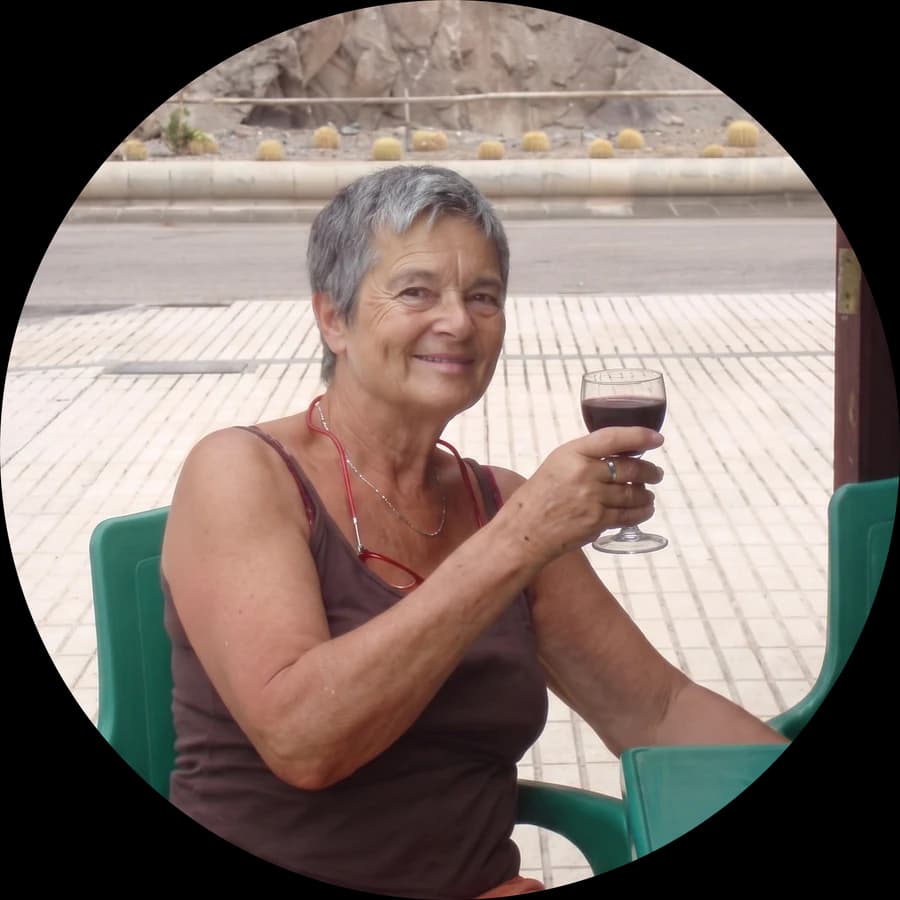
In 1987, Jacqueline Castelein founded Belgium’s first wildlife rescue center. Her advice: look at nature, up close.
Jacqueline Castelein (born 1942), an ornithologist, is the founder and Honorary President of Birds Bay, the first wildlife rescue center in Belgium.
Coralie
What’s the craziest thing you’ve done in your life?
Jacqueline
I created Belgium’s first rescue center for wild animals.
In 1987, my husband and I were ornithologists. We would find injured birds and care for them. At the time, you needed an official permit to do that. We applied for it, and one thing led to another.
Coralie
How did it grow?
Jacqueline
Word got around fast! People found injured animals all over the place and brought them to us to be treated. There are lots of centers in Belgium today, but back then, ours was the first. It was open day and night, so animals arrived day and night!
Later on, people came to help me, volunteers, because there was a lot of work. And I think, in the end, the people who came to help got as much out of it as the animals did. The people who came to my place were going through hard times, and caring for the animals helped them too. There was a wonderful atmosphere. Everyone who knew Birds Bay back then misses it.
Coralie
Did you take in animals other than birds?
Jacqueline
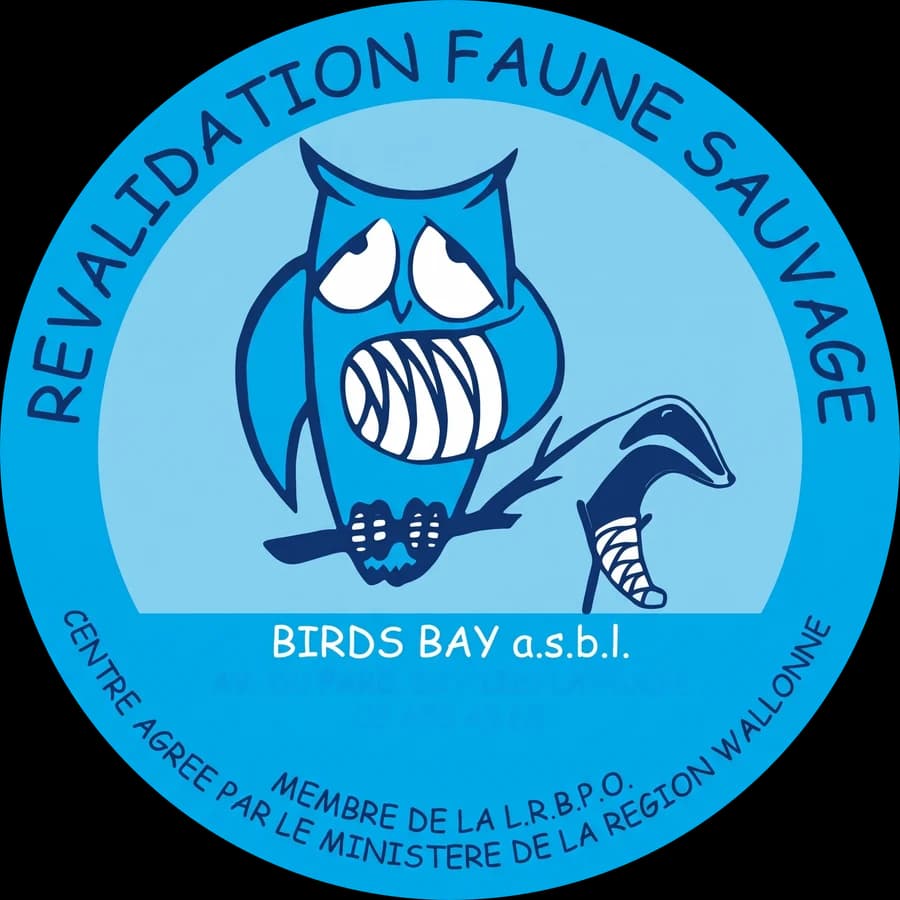
Oh yes! Birds, amphibians and mammals. There was a badger on the logo.
Coralie
Did you take in a lot of owls?
Jacqueline
Oh yes! An enormous number. That was my specialty! (Laughs)
The eagle owl is the most impressive! There was a niche for the barn owl, and about fifteen tawny owls and long-eared owls in one aviary. Not counting the young ones fallen from the nest: birds, squirrels, and so on. The birds of prey that hunt by day, buzzards, falcons, sparrowhawks, had their own aviary too. And we had storks, herons, cormorants.
We also took in exotic animals released into the wild by overwhelmed owners: snakes, prairie dogs, turtles, axolotls and chameleons.
A vet had taught me how to care for the animals: back then, I could do the veterinary care myself. Now it’s forbidden. You can’t even give an injection if you’re not a vet. I used to stitch wounds, I did all sorts of things you can’t do anymore.
When the oil spill happened, after the wreck of the Erika, we took in a huge number of oiled birds. People even brought them from France. We set up an enormous pool at my place, under a big tent. We cared for the animals, got them back in shape in there, and people took them back to release them at sea. Quite something!
Birds and animals need feeding all the time, with mash or bottles depending on the species. When I went away with my husband, I took a box to prepare the food, and in the end I never stopped. (Laughs)
Coralie
Did your working life match your true nature?
Jacqueline
Oh, certainly. Yes!
Coralie
Did you choose this life?
Jacqueline
Oh, it just landed on me. Everything landed on my doorstep! (Laughs)
Coralie
We always talk about educating children to protect the planet. What do you think about educating older women?
Jacqueline
It should go without saying. It really should. Let’s say that, often, it’s the young ones who educate their parents. Some parents are on the right track, of course. But when parents have the wrong ideas, it’s the kids who say: “You have to do this, Dad, you have to do this!” It happens very often.
The people who brought me birds were often kids bringing their parents to show them what to do: “You’re not going to leave this bird. It’s sick. We’ll care for it, we’ll go to Jacqueline’s.”
Coralie
In your view, what does someone cut off from nature, through upbringing, through fear, through lifestyle…, what do they miss out on?
Jacqueline
Oh, it’s often through ignorance. It deprives them of Beauty. These days I watch Arte. There are all these extraordinary nature films! You see, they go in the right direction, toward protecting it. Protecting nature matters. It’s what we depend on.
People who are cut off from nature miss out on a connection. When you see those young birds opening their beaks and you feed them, you feel you’re doing something. When you bottle-feed those little hedgehogs, you’re doing something, and you get something back from what you do. I often had people in a bad way psychologically who recovered by coming to my place. I had young people from France who lived with me. There were an awful lot of people at my place!
Coralie
Even animals people think of as “dangerous”?
Jacqueline
Oh! Some people are afraid of spiders.
Coralie
Okay, you’re very used to living among your beloved critters. But what advice would you give to people who are less used to it?
Jacqueline
Look. You have to look. Everything is magnificent. Listen to nature. Look at it. Look at everything. See a little flower and look at it more closely. I love watching ants. As soon as you see them moving, it’s extraordinary.
Coralie
Getting closer?
Jacqueline
Yes! I love seeing all that.
Coralie
What is your way of life today?
Jacqueline
I’m in a wonderful place, peaceful, I don’t do much anymore.
Coralie
You’re still surrounded by nature.
Jacqueline
Oh yes. Of course! (Laughs)
Coralie
Being among the greenery and close to the sea in Greece, what does it bring to your life?
Jacqueline
Relaxed. Health. Everything is relaxed. When I see people pushing and shoving on television, it scares me. Here, I’m at peace. Here, I have the sea, the birds, my cat, my dog.
Now, I’m just a little lonely. Some company would be welcome. Let’s say as friends, not romance. That could change. To begin with, I’m looking for friendship. From friendship, you can move on to love… Very often, love in general, unless it’s love at first sight, and even then, starts from a friendship and then grows.
To contact the Creaves Birds Bay association
Creaves Birds Bay1, Allée du Bois des Rêves1340 Ottignies, Belgium+32 495 31 14 21info.birdsbay@gmail.com